Risk Management when exporting

Introduction

For introduction into trigger 5, we watched Zurich insurance group video about risk management in exporting case. The example was a case study about Chase Vodka, about it´s successful branding and the risk management when the company started exporting the product to 36 countries.

What risks are there with exporting and how to manage them?

Plenty of diverse and adoptable skills are needed in exporting firms today. Technological, economic and political changes have created international environment, which is integrated, rapidly changing and highly competitive, says Hyatt (2016).

There is an increased environmental concern, due to rapid economic development during the last century. Therefore, there can be more stricter regulations for exporting, general insistence for environmentally friendly products and sustainable solutions. (Hyatt, 2016)

To manage this risk, company must be sure, that not only the product, but also the procedure and corporate practices conform to local environmental regulations. For example, when negotiating mergers and acquisitions, there must be certainty that there are no environmental liabilities arising due to the contract. Companies should also make improvements to their environmental practices proactively, not wait for requests for improvements for this from business partners. Environmental concerns have a long-term perspective to businesses and planet resources, so therefore proactivity in this matter is mandatory (Hyatt, 2016)

Hyatt (2016) mentions also business ethics one of the great concerns in exporting business in today´s world. The emergence of global economy is accompanied by international emphasis o n appropriate standards of conduct and ethical business practices. Anti-corruption campaigns and concerns about international terrorism have increased regulatory oversight, reporting and security arrangements. Due to this concern, very crucial for the companies, is to understand and adhere the laws of the countries where they operate.

Capital market changings, financial changes and fluctuating will affect on costs, which are all the time existing risk in businesses, when thinking for example about transportation and distribution when exporting. Companies are vulnerable and can´t affect on these distant events. These changes will require plenty of strategic planning and clear vision and then plan how to achieve it, states Hyatt (2016)

Other risks can be changes in political circumstances, commercial risks and cultural risks, like language or communication barriers (Doyle, 2019)

Commercial risks are usually considered as potential losses from unreliable trading partners or unstable markets. These commercial risks can be a result of certain kind of misunderstanding between the cultures. Such scenarios happen because people tend to interpret other through their own culture, according to Harvard University study, says Doyle (2019)

Political risks are very sudden and it´s important to monitor cross-border political situations. Wars and changes in political and economical alliances, regulations and policies can drastically change the import-export business (Doyle, 2019).

What are the challenges entering new country?
The risks and challenges are quite similar, also mentioned on previous chapter.  But I read a point of view about the challenges from American express article about the data protection and barriers for international import and export (2019)

Internet -enabled digital economy would immensely increase the value of multinational trade, but the companies face plenty of barriers to this kind of business, says Andersen (2019). He says that consumers are concerned about the online privacy and data protection and they don´t trust that the brands handle their personal information appropriately when they participate on cross-border e-commerce. But simultaneously stricter data protection legislation can have negative impact on cross-border trade.

Same time there are countries that don’t have any data protection policies, or they struggle with understanding, modelling and enforcing the appropriate protection measures. This is damaging for the companies in developing countries and import-export trade, since they are not able to pass the appropriate legislation or covering the cost of bringing their data storage policies into compliance in the global level. (Andersen, 2019)

Why to consider brand localization?

Many companies undervalue the localization with branding. Some companies like Mark & Spencer clothing company have failed with this, because they have concentrated on globalization instead of localization. Mark and Spencer halted their online sales to China, but they failed to adopt to the Chinese taste of clothes. Those brands that success to balance the global standard with the need of local flexibility, are the most successful ones. (Casey, 2019)

Brand localization is a strategic opportunity to brands, but this is important especially in Asian countries. According to Casey (2019) Since growth there in general is expected to grow, localizing the brand and marketing are becoming a core strategic component. Approaching the markets for some brands can be challenging in the beginning, especially in China, but the key is to find the way the right narrative way and tailor the brand in a right to the audience, because the mindset and behaviour can be very different in country, where the brand is exported to.

Budweiser beer has managed with localizing their brand in China. They have used similar brand positioning, but they have targeted young and premium audience that they have fresh retail and digital activations to this certain audience. This has made the brand experience beyond the product itself, mentions Casey (2009)

References

Andersen, Z. 2019. American express article. Barriers to digital import-export trade: Data protection. URL:https://www.americanexpress.com/us/foreign-exchange/articles/data-protection-creates-an-import-export-trade-barrier/ Accessed 27.11.2019

Casey, A. 2018. Prophet article. Localization is the key to unlocking relevance and driving growth. URL: https://www.prophet.com/2018/06/localization-is-the-key-to-unlocking-relevance-and-driving-growth/ Accessed: 27.11.2019

Doyle, M. 2019. American express article. Can global mindset mitigate import-export business risks? URL: https://www.americanexpress.com/us/foreign-exchange/articles/global-mindset-mitigates-import-export-trade-risks/ Accessed 26.11.2019

Hyatt, P. 2016. Trade Ready: blog for international trade experts. 4 of the biggest challenges export managers face today. URL: http://www.tradeready.ca/2016/topics/import-export-trade-management/4-biggest-challenges-export-managers-face-today/ Accessed 27.11.2019

Strategic alliances and how would that affect on the stakeholders?

Introduction

We watched a video of Tesco and Carrefour establishing a strategic alliance collaboration. Afterwards we discussed about, what does this would mean for business and about the consequences and possibilities and how this would affect on the suppliers.

How companies can collaborate with competitors?

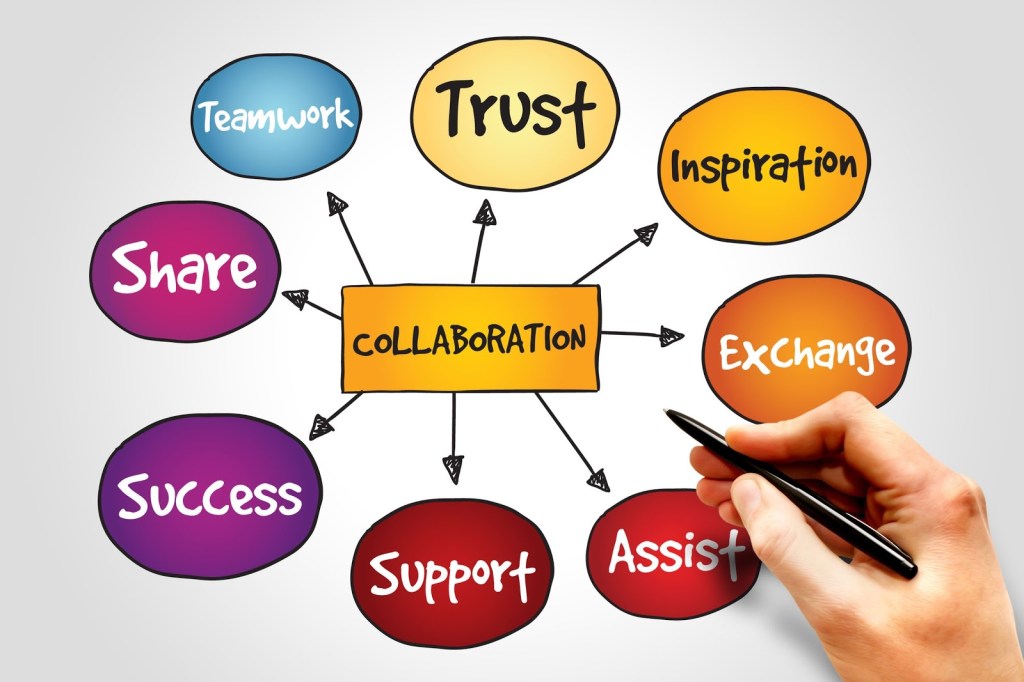
Building a relationship with a competitor is learning how to turn a potential threat into a tremendous benefit. Competitive collaboration can help boosting profits, attract your target audience and improve brand awareness. Advantages are also self-reinforcement, reduced costs, improved quality and the result of more creativity due to better sharing. (Harisson, 2019)

There are many good examples mentioned in the article (2019) about the ways how companies can collaborate together. For example, Uber and Deliveroo, Deliveroo is a company, that finds clients to restaurants, that don’t have delivery options. Uber bring the customers there. Both companies have built their strategy in collaboration.

Collaboration with Pfizer and Merck has a powerful alliance partnership. They established this strategic partnership with each other to bring new cancer treatments to the market. (Harison, 2019)

When the companies plan the partnership, it might be good to sign a non-disclosure agreement, which protects both parts. (Harisson, 2019)

I find this collaboration in many cases, between big companies as a positive thing. I personally travel when I can and a good example about good collaboration is Star Alliance, which started 1997 with 5 different airlines, but has now many top aviation companies in collaboration. This kind of collaboration increases customer service quality, communications, co-locations at the airports and helps with infrastructural matters. One simple example, for instance, is that the luggage is checked to the final destination even though there are 3 different airlines, as long as they are part of Star Alliance.

What are the pros and cons of collaborating with competitors?

Strategic partnership can offer plenty of advantages for large companies and startups. In the business world this form of partnership has become more popular. Companies might want strategic partnership when they share a common goal and binding their resources will help them to reach their individual goals more effectively. (Canarelli, 2016)

Canarelli (2016) explains the case between Apple pay and Mastercard. Apple pay was just entering to the market and Mastercard was looking the first place from Visa, by possessing the highest number of currently circulated credit cards. In this case both parties wanted to expand their presence and reach at the point sale, so collaboration was rewarding.

Benefits of these partnerships are reaching the goals faster. Collaborating with partner outside of own industry, will enable to create services or products that offer greater innovation, value and results. Strategic partner might be able to offer financial assistance if needed but as well this strategic partner gets help exceeding its initial capabilities. In strategic partnership, the brand awareness will increase, and the quality of the product can improve. (Canarelli, 2016)

“Nowadays the best partner might be your direct competitor”, says professor Paavo Ritala from LUT Uni of technology, in Garrett´s (2009) article. Competitor tend to face same similar markets and use same technologies and resources. Therefore, it would make sense to collaborate for many companies on joint manufacturing, innovation and product development. Companies tend deal with similar challenges when they are large, so collaboration would be beneficial.

Coming together with another company will put the own company into a risk. There might be mistreat or misuse by collaborating partner. There might be disagreements with declaring ownership or about new products or production. In worst case disagreements can lead that the company will suffer financially or into lawsuits. Financially, there can be also misunderstanding with sharing the expenses. (Canarelli, 2016)

There might be also a struggle to understand the company strategy, or how to implement it. Business owners might not have clear understanding the unique functions of the company, if these are rival, they don’t want to collaborate with those areas. (Garrett, 2019)

How can stakeholders be affected by alliances?

Alignment in different contexts can be challenging between alliance and stakeholders. Hearld (2012) has a point of view from healthcare field. Alignment in this study, means shared understanding about the alliance´s vision, strategic goals and sense of commitment, collaboration and cooperation among different stakeholders.

Alliances might have the stage of competition-collaboration, from stakeholders’ point of view. Stakeholders were worried that work of the alliances might hurt their competition and their currently to do structured business according to study (2012)

From shareholders point of view credibility was important thing affecting by alliances. Especially long standing, productive working relationships brought much more credibility and increased the trust of cooperation (Hearld, 2012)

Also history of collaboration with the alliance and how it has worked before was mentioned important factor and having a clear strategy how the stakeholder and alliance could literally work together. (Hearld, 2012)

References:

Canarelli, M. 2016. The pros and cons of strategic partnerships. URL: https://medium.com/@MikeCanarelli/the-pros-and-cons-of-strategic-partnerships-7eca4b8bd681 Accessed 21.11.2019.

Harisson, J. 2019. Foundr. Partner with the enemy? How competitive collaboration can improve your business and boost your profits. URL: https://foundr.com/competitive-collaboration Accessed 21.11.2019.

Hearld, L. 2012. Barriers and strategies to align stakeholders in healthcare alliances. URL: file:///C:/Users/ekono/Downloads/A413_12sep_Hearld_S148to55.pdf. Accessed 21.11.2019

Garrett, B. 2019. Forbes Media. Why collaboration with your competition can be a great idea. URL: https://www.forbes.com/sites/briannegarrett/2019/09/19/why-collaborating-with-your-competition-can-be-a-great-idea/#5379ddcddf86. Accessed 21.11.2019

Creating the ideal framework for a growing company

Introduction

Our topic and trigger on the class this time was concerning the company growth, change and how this all is affecting on the employees and the structure in the company. We found out the learning objectives we would find out more for our blogs.

What company structures there are and how do they work?

Organizational structure is the way how the organization arranges people and jobs the way that the work can be done, and the goals can be met. In very small companies, this kind of structure is not necessarily needed, but larger organization the decisions must be made by delegating tasks and procedures are established that there are responsibilities for various functions. According to these decisions that the organizational structure will be made. (Distelzweig & Droege)

Point Park University introduces four typical organizational structure models (2018) The functional structure is an organization divided to smaller departments, like information technology, marketing and finance. All the departments have each the one manager, who supervises the department and answers to the vice president of the company. People working in this structure, are allowed to use their work force to specific set skills, but this model might have a lack of inter-departmental communication

Larger companies might use a divisional structure. Each division operates like as own companies allowing to control their own resources and spent money and aspects. This structure can be also geographical, different divisions can be located even in different continents. Division works as it´s own company, where there are 1 or 2 people reporting to the parent company. In this model, employees don’t necessarily have chance to communicate between divisions. There might be also problems with accounting practices and tax implications (2018)

Matrix structure can be a challenging organizational structure. Employees may report to several managers in the same time and work may be projects where various expertise is needed at the time. Because of this, there might be some communication problems. Employees must know their roles, work priorities and responsibilities very well.

Flatarchy is combining elements from functional and flat organization, which allows decision making among the different levels of organization. Within this system, also the employee level is encouraged to suggest ideas and run with them.  Negative side for this structure is, that this structure can be confusing and some employees might feel uncomfortable how this structure should be organized. (2018)

How to adjust company´s infrastructure to growth?

Functioning infrastructure in business ensures, that proper coordination of human resources, processes and other operational tools will ensure the profitable growth for the company. Good infrastructure of the company is essential especially when the company grows. (Pierre, 2012)

Following things can be part of functional infrastructure of the company; a solid foundation, consistency with delivered customer service and a model, that makes each time you do something, little bit easier. (Pierre, 2012) From human resources side, infrastructure can be policies and procedures, job task analysis, and job descriptions. From business processes side this can be hiring, service delivery, collection and sales processes. And from operational side, these can be the databases and software, equipment and furniture and templates and checklists.

Fast growth in the company requires usually additional employees, better technology and process documentation. (Pierre, 2012)

I´m currently working in a company that has grown and changed immensely during one year time. The problems, I and the others have been mainly faced, are with the technology and some system changes. Big help for this infrastructural matter has been a full day IT help, who is helping us at the office during the weekdays. One more visible thing that became a problem during company growth, was that our workspace became unfunctional due to more staff members and this also increased noise at our office. We also had problems working schedule functionality. I can easily relate to the article “Why everything breaks when you reach 25 employees” we got into, during going through trigger 3.  As a conclusion what is needed to adjust in company´s infrastructure when it grows, are in my opinion, that the IT works, or there are tools or help to make it work. Also, the management should be aware of all the operational work in the business, and it´s functionality during the changes.

How to secure financial stability in growing company?

Robert Ginsberg (2019) says, that growth journey is different to every business, but there are some guidelines every company should consider when thinking about finance.

To set out goals to short, medium and long term, to determine whether the finance is right course at this point. Does the business want to access new markets or develop new products for example and think if it can be done by own cash flow or if extra capital is needed. If extra capital is needed, company should decide, which form of finance is reasonable. Lots of research should be done about different capital lenders. It´s important to find a lender who is looking for a long-term relationship and understands the needs of the company. Change can be fast for small business during periods of fast growth, so finding a supportive finance provider is important. Different options for growth finance can be for example different leasing and hire purchases, loans and overdrafts. (Ginsberg, 2019)

What happens to employees when company starts to grow?

I use my previous personal experience about the company growth as an example. When company grows, the team leader or the management doesn’t have that much time for the employees anymore. It might get more difficult to ask help or talk about work related problems or ideas to someone. There might be a work-related problem, that the management doesn’t have time to listen or have one-to-one conversations. If the employee has a feeling not to be listened, they start thinking about finding a new job. I had a time when I didn’t have a real conversation with my team leader during almost 10 months and I started thinking, do they really want me to be here. 

Other things that are interesting, how people will get interested about the opportunities for growth in the company. It´s mentioned in Lighthouse blog, that older employees start looking for the growth opportunities and possibilities for promotion. They also mention that same that I have found out in my workplace, employee turnover if the management don’t have tools to keep the employees when company grows.

One more mentioned thing in the blog, is the work culture, how it starts forming when the company hits 25 employees. This will require lots of effort from the management side. Culture can easily develop to negative, widespread or in a good case into supportive, dynamic pulling together atmosphere.

In Snellman´s (2019) article, there are mentioned things, that the management need to ensure, that te employees will stay engaged when the company grows. First of all, employees need to know that their matters and they have value, work culture should evolve based on feedback. People should be also able to show their vulnerability. This concerns especially underrepresented groups. I think this we should also keep in mind when we study International Business and probably work in multicultural workplaces in the future.

References

Butler Pierre, A. 2012. Equilibria. Business infrastructure- what it is and why every company needs it. URL: https://eqbsystems.com/business-infrastructure-company/Accessed 12.11.2019

Butler Pierre, A. 2012. Equilibria. Definition of business infrastructure. URL: https://www.slideshare.net/PromotionQueen/definition-of-business-infrastructure Accessed 12.11.2019

Distelzweig & Droege. Reference for Business – Organizational Structure. URL: https://www.referenceforbusiness.com/management/Ob-Or/Organizational-Structure.html#ixzz64zoYVkSz. Accessed 12.11.2019

Ginsberg, R. 2019. Case study about How businesses should approach finance. 2019. URL: https://growthfinanceawards.com/how-businesses-should-approach-finance/. Accessed 13.11.2019

Snellman, E. 2019. When to start your HR function – later than you thought. URL: https://www.slush.org/article/when-to-start-building-your-hr-function/. Accessed 12.11.2019

Lighthouse – A blog about leadership and management advice. Why everything breaks, when you reach 25 employees. URL:https://getlighthouse.com/blog/company-growth-everything-breaks-25-employees/. Accessed 13.11.2019

Keeping up with a changing world through re-branding

Introduction

Last week on our Problem based learning class we approached the new topic by reading a short article about Fujifilm and the company´s development widening its focus globally and diversifying with healthcare and electronics operations. CEO Shigetaka Komori says that Fujifilm couldn’t have maintained its revenue if it only concentrated on digital imaging. Then we started thinking the subject by brainstorming and ended up to the learning objectives where we are getting deeper in our blogs.

Why are mission, vision and strategy so important as facts to understand when we think about company´s future?

Understanding the terms or mission, vision and strategy are crucial when we are thinking about company´s goal. Problem on these days is, that companies maybe use trendy and confusing language and management and employees have misunderstandings and confuse about the terminology of mission, vision and strategy. (Miller, 2014) Ideas of these terms in the company might overlap easily. If the employees don´t know the difference of these terms, company can face difficulties to reach the goals. (Arnott, 2015)

Mission of any organization should be a short statement and answer to the question “What do we do”. Every company should have a mission about who are they and what do they value. The mission statement can change time to time, but it should always core back to company´s values and vision. (Arnott 2015).

Vision of organization should be an answer to the question, “What do we want to become”. Vision is the function that gives the understanding to the people in the company, what are they trying to achieve. (Arnott 2015) Vision statement shouldn’t change because it´s the foundation of the company, what does the company wants to be in the future, not what it is right now. While the company vision is looking to the future, company mission is combined with forward thinking present goals. (Miller 2014)

A good company strategy aligns with vision and mission. It´s an answer to the question, how will the company achieve the vision. (Arnott 2015) Strategy should be a long-term plan how the long- and short-term goals will be achieved. Some companies have also additional steps in this point, they make a list of objectives or goals and use them as a basis to company strategy. (Miller 2014)

I can relate to these articles easily, especially employees should know better the facts of mission, vision and the strategy in the company. I think many, especially big and global companies have problems with delivering this information. Employees don´t know clearly what they are working for and how do they reach the demanded goal. Management level should help the employees to understand these terms and the facts, what are we doing, what do we want to be and how we will reach it, in better way. I think these facts should be introduced already in an interview and later have worker meetings individually with employee and as a group regularly. And everyone should get the same information in the company.

How does strategical thinking lead company to success?

Some managers might be afraid of strategical thinking and be confused about its meaning, they might think it´s too tactical and task oriented. Strategic thinking is a process of thinking and planning and doing the work that leads the company toward preferred future. It´s a systematic mix of innovation and strategic and operational planning. Strategic thinking has been considered one the hardest parts in leadership. It’s very important to understand strategic thinking as a process to success. It´s important for the company that leaders understand the value of strategical thinking as a way for the long-term growth. (McCulloch, 2019)

In an article about the study of Strategic thinking and organizational success (Salamzadeh&Vahidi, 2018) the research was made about the link between strategic thinking on the management level and its effect on organizational success. The result of this study was, that there is a positive correlation between strategical thinking and organizational success. If managers lacked in strategical thinking, the result could be considerably decreasing success. It was also recommended that the managers would understand the importance of strategical thinking and empower it also among the staff, by enhancing participative work morale, creativity, entrepreneurial mindset, synergic cooperation and healthy competition among the staff.  

Molloy (2017) says that strategic thinking is not important only on management level, but also on employee level, because workplaces are becoming less hierarchical. In strategic thinking, employees in all levels and functions scan new ways to contribute to the company´s success. In changing work life all the employees should keep eye on the future, not just concentrate on the present and become aware of the bigger context they are operating with. I can see, that this would be ideal for the all workplaces, because employee level might have lots of information, that management level needs for the future decisions.

What kind of challenges and opportunities there are in growth of the company?

Expansion, building the industry reputation, employing more staff and growing profit are all good developments in the company, but they might also present new challenges. There are challenges that every growing business can face.

With finding and hiring the right people, all this starts with choosing the right management. Also, the communication, when the business grows, can be a challenge. There might be more management layers needed and therefore the communication can become harder. When thinking about management and employees, also the developing business culture can be a challenge and an opportunity. (Kimmorley, 2015)

Kimmorley (2015) says that understanding the market of the company and keeping updated can be a challenge. Company must understand who the most important competitors are and what are they offering. Company should build a right kind of relationship with a customer and the company, this can be difficult, because sometimes this can turn against the customer, because companies might fall in a trap of treating the customer like a challenge. Challenge can be also the dealing with customer complaints. Other problems can be managing the cash flow. Spending money on the growth period should be careful and cash management should be kept disciplined.

References

Arnott, R. 2015. Mission, Vision and Strategy – and the importance for the Executive Assistant. URL:http://executivesecretary.com/mission-vision-and-strategy-and-the-importance-for-the-executive-pa/

Kimmorley, S. 2015. 10 common challenges in growing any business. URL:https://www.businessinsider.com.au/in-good-company-10-common-challenges-in-growing-any-business-and-how-to-tackle-them-2015-11

McCullogh, K. 2019. The value of strategic thinking and planning: A more robust to the future. 31.3.2019. URL:https://www.rhythmsystems.com/blog/the-value-of-strategic-thinking-a-more-robust-annual-plan

Miller, B.2014. Strategy, Mission, and Vision: How Do They All Fit Together? HR Daily Advisor. URL:https://hrdailyadvisor.blr.com/2014/09/09/strategy-mission-and-vision-how-do-they-all-fit-together/

Molloy, J. 2017. Strategic thinking – Because good ideas come from everywhere. Harvard Business Publishing. URL: https://www.harvardbusiness.org/strategic-thinking-because-good-ideas-can-come-from-anywhere/

Salazadeh & Vahidi. 2018. Strategic thinking and organizational success: Perceptions from management graduates and students. Global Business and Management Research: An International Journal. file:///C:/Users/ekono/Downloads/V10N4_12.pdf

Cultural challenges of globalization

Introduction

As a trigger to our conversation about the globalization in our group last Thursday on class, we had watched a document American factory in advance. Document tells about the problems of globalization and cultural collisions after a Chinese billionaire opens Fuyao auto-glass manufacturing company in a shuttered General motors factory.

How to raise cultural awareness?

On these days we need to take cultural awareness under consideration more than before. I work in a Nordic company, where I mostly communicate in Finnish with my colleagues. I also have Swedish speaking colleagues, and we have often visitors from our Danish or Swedish offices. Cultural differences are not that remarkable between Nordic countries, and our co-operation is most probably relatively easy comparing to some other countries, but I still notice differences that we need to keep in mind. I have for example noticed, that Finnish people often seem to get right to the point when they negotiate, but the Danish culture this way I find more easy going and relaxed.

First, we should think what cultural awareness exactly means (Career Addict 2019). Cultural awareness is understanding and respecting that someone´s point of view can be different due to cultural background. Cultural awareness is a foundation of communication. Article suggests that when we want to raise our awareness of the cultures, we should understand our own culture and know our history. Which things in the history of our country have made us how we are today? Reflecting our features and behaviour from this point of view will help us to understand other cultures better.

Other crucial thing to learn, according to the article is to treat everyone as an individual, and to ditch your stereotypes about the cultures and start learning about the cultures. For me, living abroad and learning about the work culture and other cultural aspects especially in Central America and Asia, have been eye-opening experiences and have taught me lots of patience and cultural awareness. Also working with Nordic colleagues currently and before, have taught sensitivity, Sweden and Denmark are not Finland. We are all unique cultures.

What affects interactions between the cultures at the workplace?

I used to work for two different Nordic travel agencies some years and my closest colleagues were from other Nordic countries. I noticed that especially Finnish people both on employee and supervisor/management level had problems with interaction with other Nordic people due to the language differences. Danish, Norwegian and Swedish languages are very similar and in another   of these companies our company language was Scandinavian (combined Swedish, Danish, Norwegian) and for the Finnish person, this was often a struggle. How do you communicate, when you can´t understand all the details and you feel isolated from the others due to this? In this case, English as a mandatory company language would have been better option, and it was tried, but it turned out it didn´t work for us. Language has a huge effect on interaction. I think that at multicultural workplaces we should take the language in to consideration. Everyone has a right to feel being part of the group and everyone has a right to get the same information and to be able to understand the language.

Language mastery was mentioned one of the most important prerequisites for successful interaction in study I read (Perez, 2007) At multicultural workplace, misunderstanding and using incorrect expressions can occur and this might cause frustration and mistakes. Another matter are the differences in verbal communication between different nationalities. Whereas some cultures, like Spanish, are communicating in a direct verbal mode, (high context culture) in some cultures, it´s expected to read between the lines and the communication is more assertive and indirect (low context cultures). This can have a strong effect on the interaction at the workplace because of the way how certain messages are communicated, says the study. One more example about this, is, what is considered acceptable or inacceptable way of interacting. For example, Spanish way to get directly to the point, speaking quickly and not taking turns when speaking, can be considered rude and inappropriate in some cultures.

How does the work life change due to globalization? 

As we were told to watch the document American Factory earlier, this question and the document made me think about this topic, how I see the future of work and effect of globalization to it.

It´s been the main topic on newspapers lately and according to Statistics Finland, if the birth rate in Finland remains the same in the future, our population will remarkably start decreasing in 2031 and we will be 100000 less populated in 2050. Therefore, the answer would be increased labour immigration and I think this will be one thing that will change the work life more in the future and this is not only in Finland. In this way, I see globalization as a necessary result.

As we could see the end of the document in American factory, I can imagine that in the future, there will be less people working and some of the services will be replaced by technology and human interaction will decrease. As we can see, there are already several services on webpages that you can send easy questions to the bots.

There are some examples (RSA ,2019) what kind of changes there will be due to globalization in the future. Adanna Shallowe mentions demographic dynamics one area that we need to think about in the future in these countries with aging or shrinking population. This will require the government to be flexible what comes to immigration policies. Problems with this can be increasing remittance to original country, brain drain and losing highly skilled labour.

Other things that are crucially affecting on our future work according to article, are technological changes at the workplace and the climate change.

References:

Career Addict 2019. How to develop cultural awareness at the workplace. Micro data. URL:https://www.careeraddict.com/develop-cultural-awareness

Cultura, lenguaje y reprecentacion: revista estudios culturales de la Universitat Jaume I 2007. Perez Canado. Intercultural communication at the workplace: The case of multicultural teams in Spain 2007. URL:https://www.raco.cat/index.php/CLR/article/view/106208/148054

The RSA 2019. Global perspectives on the future of work. Micro data. URL:https://www.thersa.org/discover/publications-and-articles/rsa-blogs/2018/07/global-perspectives-on-the-future-of-work

Design a site like this with WordPress.com
Aloitus